A mouse infestation can begin with one house mouse and quickly move through wall voids, cupboards, basements, and attics. Mice need only a small gap to enter a home, and they often stay hidden while they look for food, water, and nesting areas.
Professional Mice Control Toronto services can identify the source of the problem, remove active rodents, and lower the chance of repeat activity. The right approach combines a pest inspection, safe trapping, rodent exclusion, and practical prevention. It should also address food contamination, property damage, and family and pet safety.
How to Know If You Have a Mouse Infestation
Visible mice are only one of the signs of mice. Most household infestations are first noticed through evidence left behind at night. Look closely in quiet, sheltered areas such as under sinks, behind appliances, inside cabinets, along baseboards, and near stored boxes.
- Mouse droppings: Small, dark pellets may appear along walls, in drawers, inside cupboards, or near food. Fresh droppings tend to look darker and softer, while older ones become dry and dull.
- Gnaw marks: Mice chew cardboard, wood, plastic, insulation, and wiring. Small teeth marks on food packaging or cables deserve prompt attention.
- Scratching noises: Scratching, scurrying, or light squeaking after dark can point to mice moving through ceilings, walls, or storage areas.
- Nesting materials: Shredded paper, fabric, insulation, and dried plant material may form nests behind appliances, in drawers, or under stored items.
A musty odour, greasy marks along walls, or repeated damage to food packages can also confirm the diagnosis. A pest control technician can tell the difference between a house mouse problem from other rodent activity and evaluate the infestation severity before treatment begins.

Reasons Mice Enter Homes
Mice enter homes because indoor spaces offer reliable resources and protection. Outdoor conditions may force them inside, but a building becomes attractive when it provides several needs at once.
- Food sources: Open cereal boxes, pet food, crumbs, compost, and overflowing garbage can support mice. Even a small amount of food left behind each night may allow them stay active.
- Water sources: Leaking pipes, damp cabinets, condensation, pet bowls, and wet utility areas provide water.
- Shelter: Insulation, wall cavities, storage boxes, and undisturbed clutter give mice secure nesting areas and protection from people.
- Entry points: Mice can pass through gaps around pipes, vents, doors, foundations, and siding. A hole about the width of a pencil may be sufficient for access.
Heating systems and warm indoor rooms can make a home especially attractive during colder weather. A mouse may enter through one gap, then travel inside walls to access food and water elsewhere. Finding and closing those entry points is as important as removing the rodents already inside.
Reasons Professional Mice Control Is Essential
Home traps may capture one mouse without addressing the underlying problem. Professional mice control checks how rodents got inside, where they travel, and whether a nest or breeding group stays out of sight.
Mouse activity causes health risks through droppings, urine, saliva, and contaminated nesting material. These materials can harm indoor air quality and create food contamination when mice travel over counters, cupboards, or packaging. Disease transmission is another concern, particularly when contaminated surfaces are handled without proper precautions.
Mice can also lead to property damage. Their gnawing may affect wiring, insulation, drywall, stored goods, and plumbing components. Damaged electrical wiring can create a serious safety concern, while shredded insulation can reduce its performance.
Mouse reproduction makes delay expensive. A female can produce several litters during a year, and young mice mature quickly. One sighting does not prove that only one animal is present. A licensed pest control service can evaluate the evidence and recommend treatment options based on the actual conditions in the home.
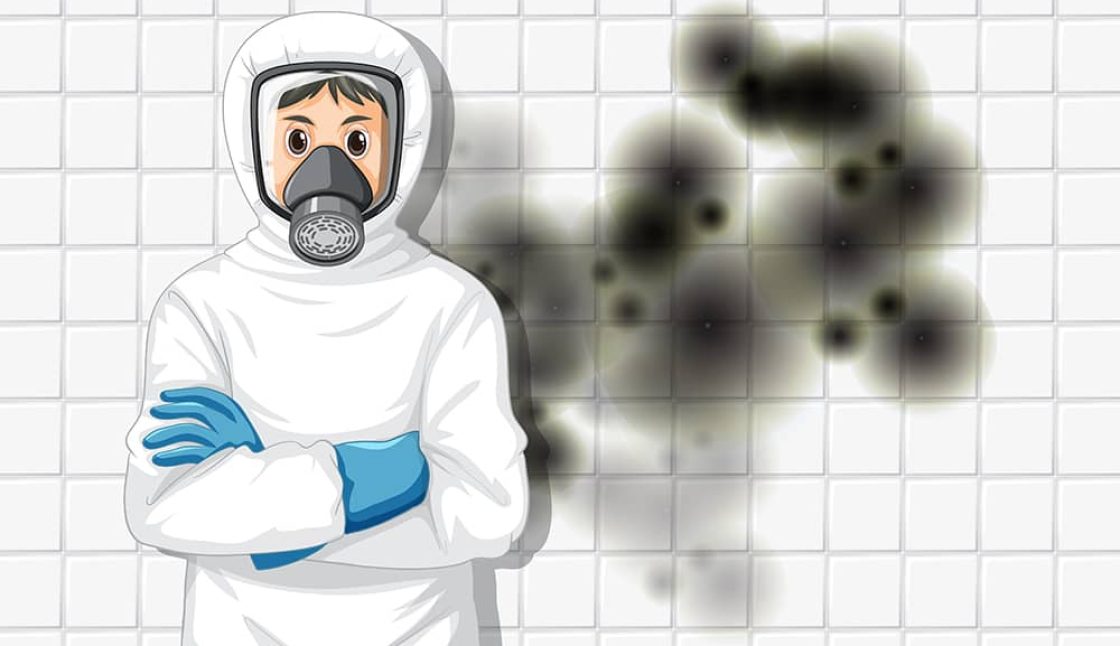
What to Look For From a Skilled Mice Control Service
A reliable mouse control service should start with a property inspection rather than an immediate guarantee of a fixed result. The technician will learn where you saw activity, check droppings and damage, and look for places where mice nest, odours, and travel routes.
The assessment helps with identifying pests. Mice, rats, squirrels, and other wildlife create different evidence and need separate control approaches. Once the problem is confirmed, the technician can prepare a rodent treatment plan that details the suggested traps, exclusion work, sanitation steps, and follow-up schedule.
Reliable service usually involves more than one visit. Follow-up visits monitor trap activity, verify if new signs have appeared, and find gaps that still need attention. A follow-up inspection is most valuable when mice have reached wall voids or inaccessible areas.
Inspecting and Finding Entry Points
The specialist may examine the outside and interior of the building. Common ways inside include gaps in the foundation, spaces around vents, gaps under siding, and cracks around doors this and windows. Openings for utilities around cables, plumbing, and air ducts can also allow entry.
Inside the home, the inspection may examine wall voids, basements, kitchens, garages, storage rooms, and areas behind large appliances. Door sweeps should sit snugly against the floor. If daylight is visible under a door, mice may have an simple way inside.
Photos, measurements, and records can help create a practical exclusion plan. The aim is not to close every feature of a building without thought. It is to block active routes while maintaining proper ventilation, drainage, and access for necessary services.
Methods for Mouse Removal and Control
Control methods should reflect the location, level of activity, and safety needs of the household.
- Snap traps: Well-placed snap traps can quickly control mice in areas where children and pets cannot reach them. Placement matters more than simply setting many traps.
- Live-capture traps: These devices may suit situations where live mouse removal is requested. They require close monitoring and a lawful, responsible release or relocation plan.
- Rodent bait units: Tamper-resistant rodent bait stations may be used in selected areas. They must be positioned and maintained carefully to protect people, pets, and non-target animals.
- Exclusion work: Blocking holes and gaps prevents new mice from entering. This work may include mesh, metal materials, door seals, or other products designed to the opening.
Careful trapping also requires careful management of food storage and sanitation. Keeping food out of reach makes traps more effective and lowers the chance that mice will reach another part of the home. A technician should outline what will happen during treatment and what you need to do before each visit.
What Is the Cost Professional Mice Control?
The treatment cost is based on the property, the evidence found, and the work required. A small, accessible problem may need one treatment and limited sealing. A larger home infestation may require several visits, extensive exclusion, and repairs.
Main pricing factors include:
- Infestation severity: More droppings, nests, damaged materials, and active routes usually require more labour and more treatment time.
- Treatment frequency: A one-time visit may not resolve activity in wall voids. Follow-up treatment can raise the total cost but gives the technician a chance to confirm progress.
- Repair costs: Sealing foundation gaps, replacing door sweeps, repairing vents, and correcting utility openings may be separate from the initial service.
- Property layout: Multiple levels, finished walls, crowded storage areas, and difficult access can make inspection and removal more time-consuming.
Ask for a written breakdown before work begins. It should explain the service fee, treatment steps, exclusion work, follow-up visits, and any conditions that could change the price. A low initial quote may not include repairs or return visits, so compare the scope of work rather than the first number alone.
Do Mice Pose Risks to Families and Pets?
Rodents can cause problems for both families and animals. They may leave urine and droppings on soiled areas, including counters, shelves, food containers, and floors. Their movement can distribute allergens through dust and nesting debris.
Disease transmission may occur through contact with droppings, contaminated materials, or food. The level of risk depends on the kind and extent of exposure, but you should treat mouse waste as potentially unsafe. Children may touch floor-level areas, and pets may investigate droppings or catch rodents.
Pet safety matters when deciding on a control method. Traps and bait must remain out of reach to animals. Tell the technician about cats, dogs, birds, small mammals, and any other pets before treatment. Follow all instructions about keeping pets away from areas that received treatment.
If anyone experiences concerning symptoms after substantial contact with rodent waste, contact a healthcare professional. For a pet that may have eaten bait or a mouse, contact a veterinarian without delay.
What to Do When You Find Mouse Droppings
Avoid sweeping or vacuuming droppings while they are dry. That action can spread particles through the air. Keep pets and children away until the area has been safely cleaned.
- Unlatch windows or doors if practical, then leave the area for a short period to increase airflow.
- Wear protective gloves. Wear other protective equipment if the area contains a large amount of contamination.
- Apply the droppings with a household disinfectant or suitable disinfecting solution until completely soaked.
- Let the product sit for the contact time shown on its label.
- Collect the waste with paper towels, place it in a sealed bag, and dispose of it according to local disposal rules.
- Clean and disinfect the surrounding area and wash your hands after removing the gloves.
For heavy contamination, a nest, or waste inside insulation and ventilation spaces, schedule professional droppings cleanup. Do not handle dead rodents or nesting material with bare hands. Safe cleanup limits allergen exposure and helps stop contaminated material from spreading.
How to Prevent Mice From Returning
The prevention process starts after the mice have been dealt with. Walk around the home and check the foundation, doors, vents, roofline, and areas where pipes or cables enter. Close cracks and openings with materials mice cannot quickly gnaw through.
- Keep dry food in rigid, sealed containers instead of open bags or cardboard boxes.
- Keep pet food covered and remove uneaten food at night.
- Clean crumbs and spills promptly, including under appliances.
- Use bins with snug lids for garbage and compost.
- Repair leaks and limit standing water around sinks, laundry areas, and utility spaces.
- Clear clutter so mice have fewer places to nest and move.
- Keep stored items off the floor where possible, using sealed plastic containers.
Regular sanitation supports mouse-proofing, but cleanliness alone cannot correct an open entry point. Rodent exclusion should address both the hole and the conditions that make the home attractive. Recheck repairs after severe weather, renovations, or changes to exterior structures.
Selecting a Professional Mice Control Company
Look for a company that describes its process clearly and tailors treatment to your home. Ask whether technicians are licensed, what inspection is included, and how the company protects children and pets during service.
A written treatment plan should list the evidence found, recommended control methods, planned exclusion work, and follow-up schedule. It should also explain which tasks belong to the homeowner, such as moving stored items or securing food.
If humane removal is your priority, ask how live-capture traps will be checked and how captured mice will be handled. Humane removal should not mean leaving traps unattended or releasing rodents in a way that creates another problem.
A service guarantee can provide useful clarity, but review its terms. Check how long it lasts, what signs qualify for a return visit, whether exclusion repairs are included, and whether the guarantee depends on completing recommended work. Mosquito Man is one business name a homeowner may encounter while researching pest services. Request factual details about the proposed work before agreeing to treatment.
Frequently Asked Questions About Mouse Control
How can I know if I have mice in my Toronto home?
Look for mouse droppings, gnaw marks, scratching noises, nesting materials, greasy marks, and damaged food packaging. A professional inspection can show whether the signs indicate a mouse infestation and can identify active travel routes or entry points.
What attracts mice to houses in Toronto?
Mice are attracted by food sources, water sources, shelter, and small entry points. Unsealed food, pet bowls, leaks, clutter, insulation, and gaps around foundations or utility penetrations can all make a house suitable for mice.
How much does professional mice control cost in Toronto?
Control costs vary with infestation severity, property size, treatment frequency, access, exclusion work, and repair costs. Ask for a written service fee and a clear description of what the price includes, such as traps, bait stations, sealing, and follow-up visits.
Are mice dangerous to my family and pets?
Mice can create risks through contaminated surfaces, allergens, food contamination, and disease transmission. Traps and bait can also be dangerous to pets if placed incorrectly. Tell the pest control technician about your household and follow all safety instructions.
How quickly can a Toronto pest control company remove mice?
Some activity may drop soon after traps are placed, but complete mouse removal depends on the number of rodents, nesting areas, access conditions, and open entry points. Several visits may be needed to ensure that activity has stopped and that exclusion work is effective.
What should I do if I find mouse droppings?
Keep people and pets away, avoid sweeping or vacuuming, wear protective gloves, wet the waste with disinfectant, and remove it with paper towels. Heavy contamination or waste in insulation should receive professional attention because airborne particles may spread during cleanup.
How can I prevent mice from returning?
Seal gaps and cracks, secure food storage, maintain sanitation, reduce clutter, repair leaks, and keep garbage in closed containers. A follow-up inspection can confirm whether exclusion work has closed the routes mice used to enter.
Is humane mice removal available in Toronto?
Humane mice removal may be available through live-capture traps and careful exclusion work. Ask how often traps are checked, how captured mice are handled, and how the company will prevent new mice from entering after removal.